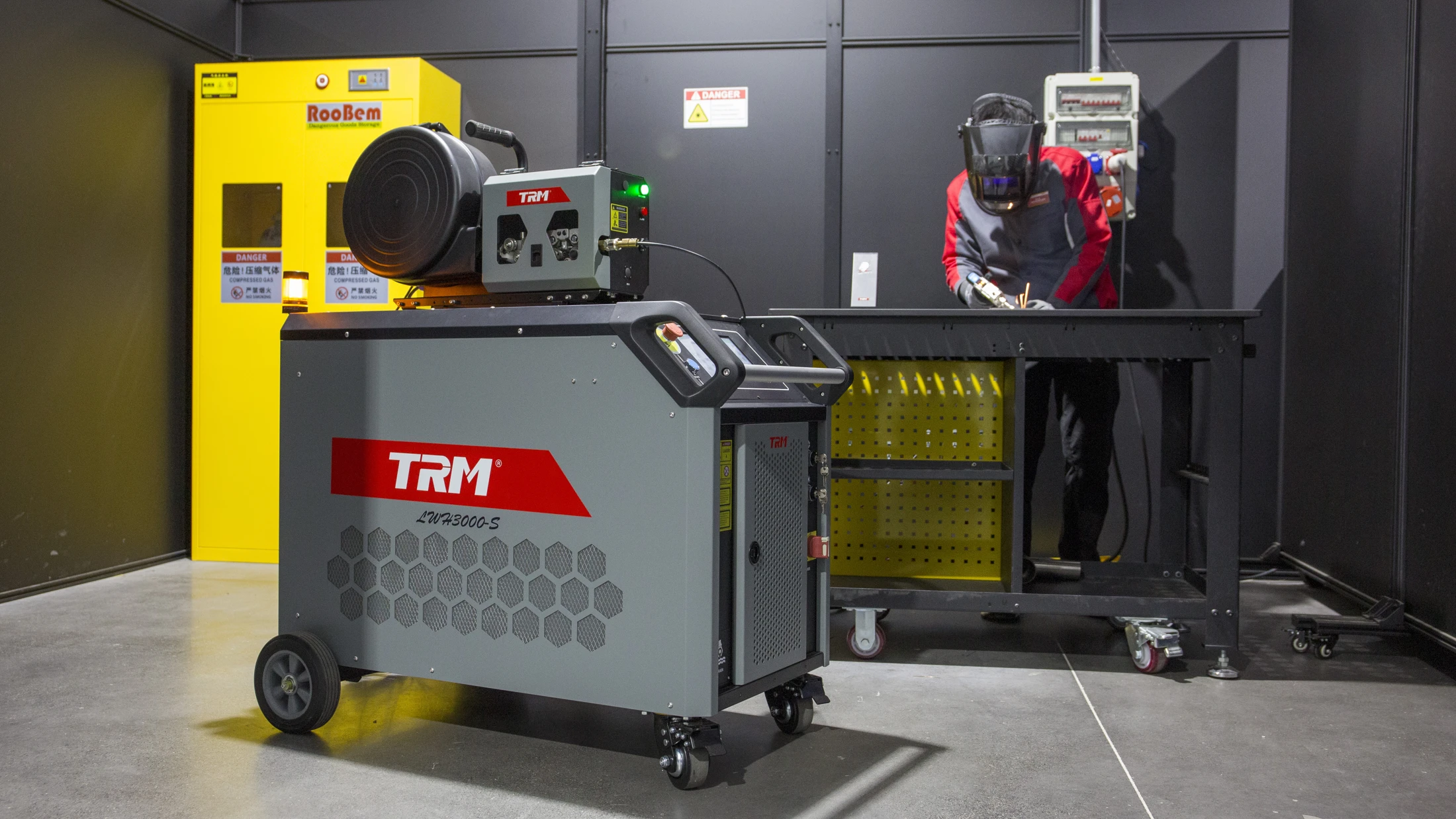
Handheld Laser
Welding Machines
Faster production. Less cleanup.
Compare 1200W air-cooled and 1500–3000W water-cooled handheld laser welders for manufacturing and fabrication shops.
Laser welding vs. TIG & MIG
Faster than TIG
Faster than MIG
or less to reach proficiency
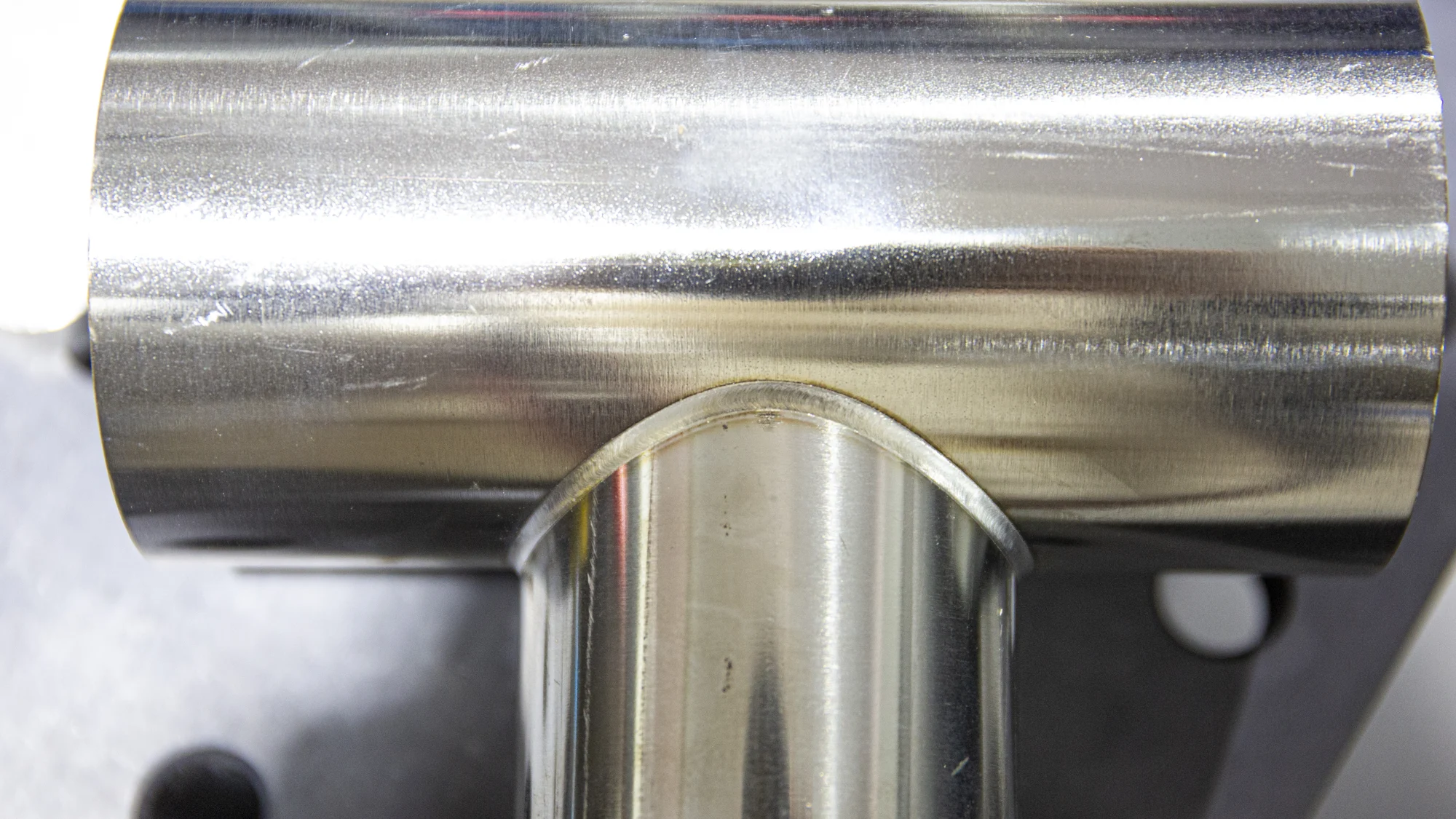
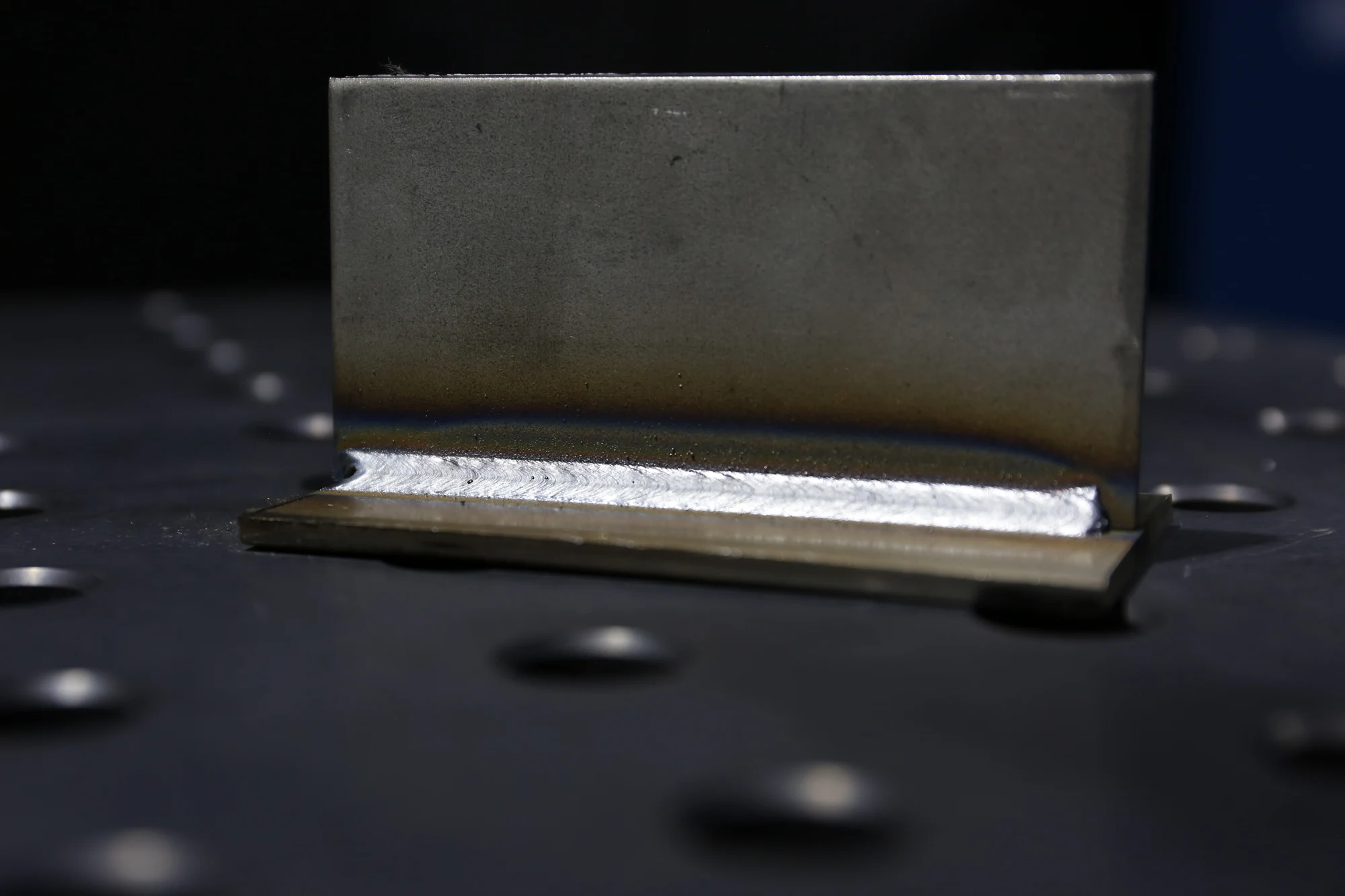
Cleaner Seams, Less Finishing.
How Handheld Laser Welding Works
- 01
Focused heat
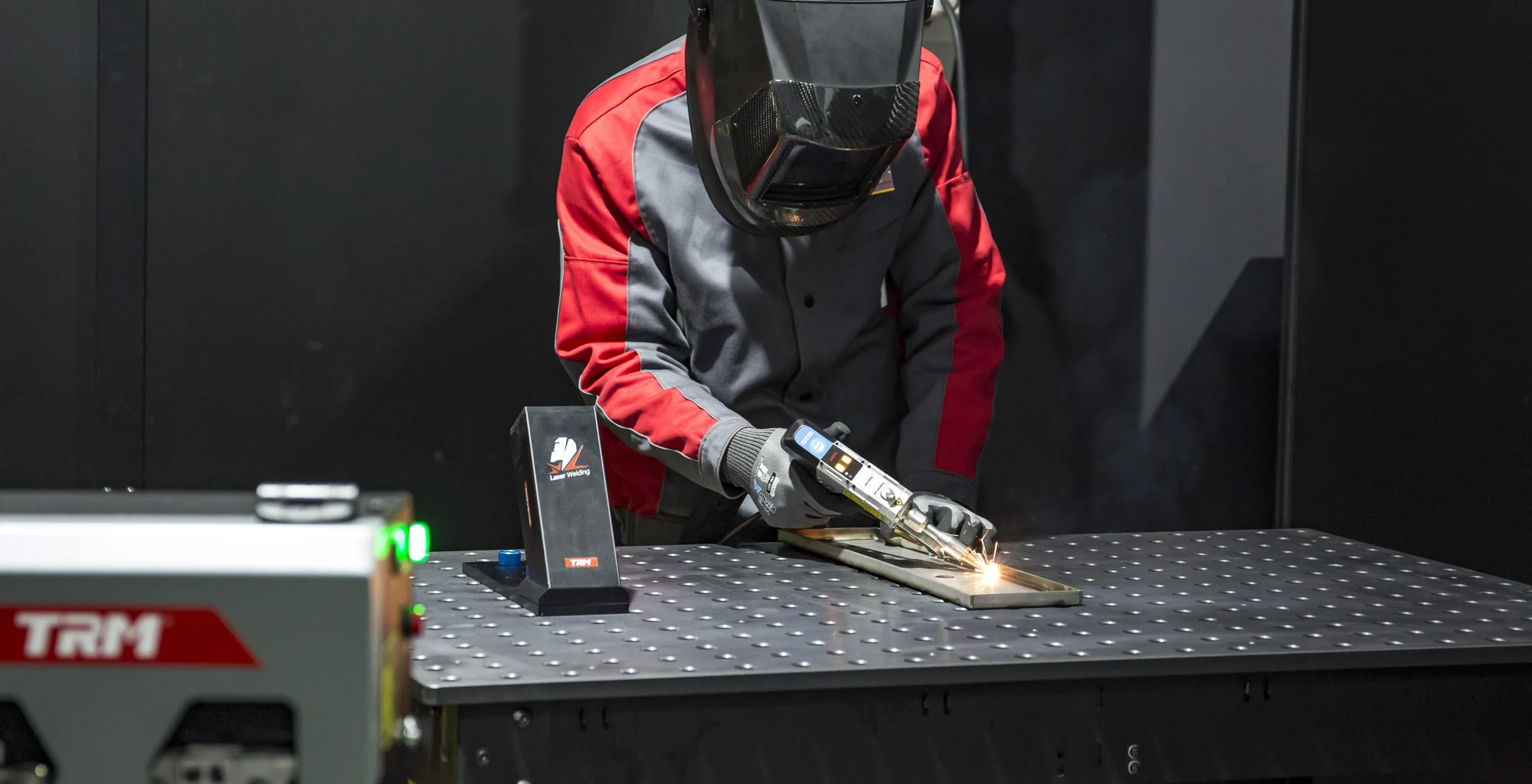
Handheld laser welding uses a focused laser beam to melt metal at the joint while the operator guides the torch. Shielding gas protects the weld area.
- 02
Filler if needed
Filler wire adds metal to the weld pool. Some joints can be welded without it.
- 03
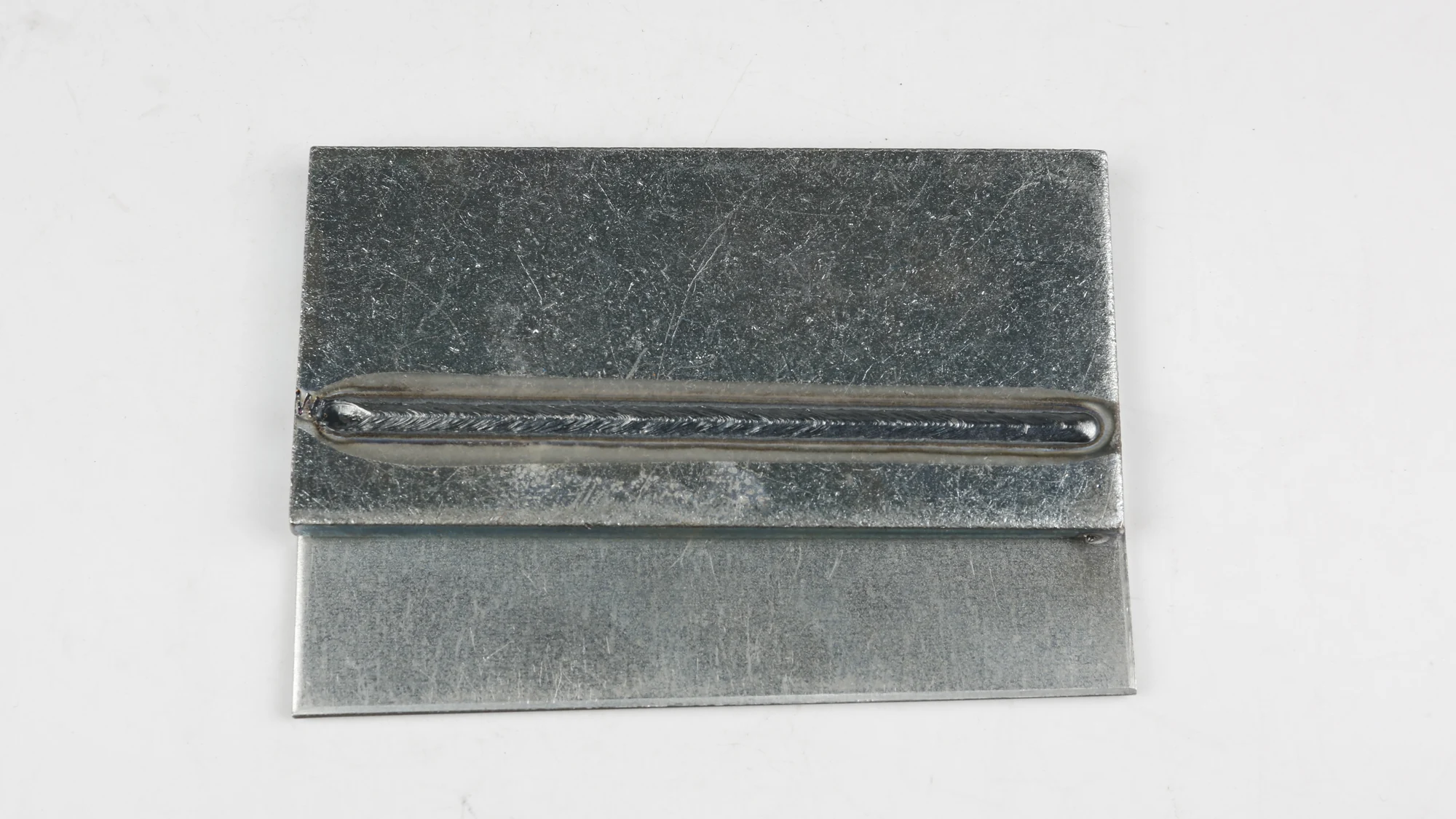
Forming the seam
As the torch moves, the molten metal cools into a solid seam.
Compare Handheld Laser Welders
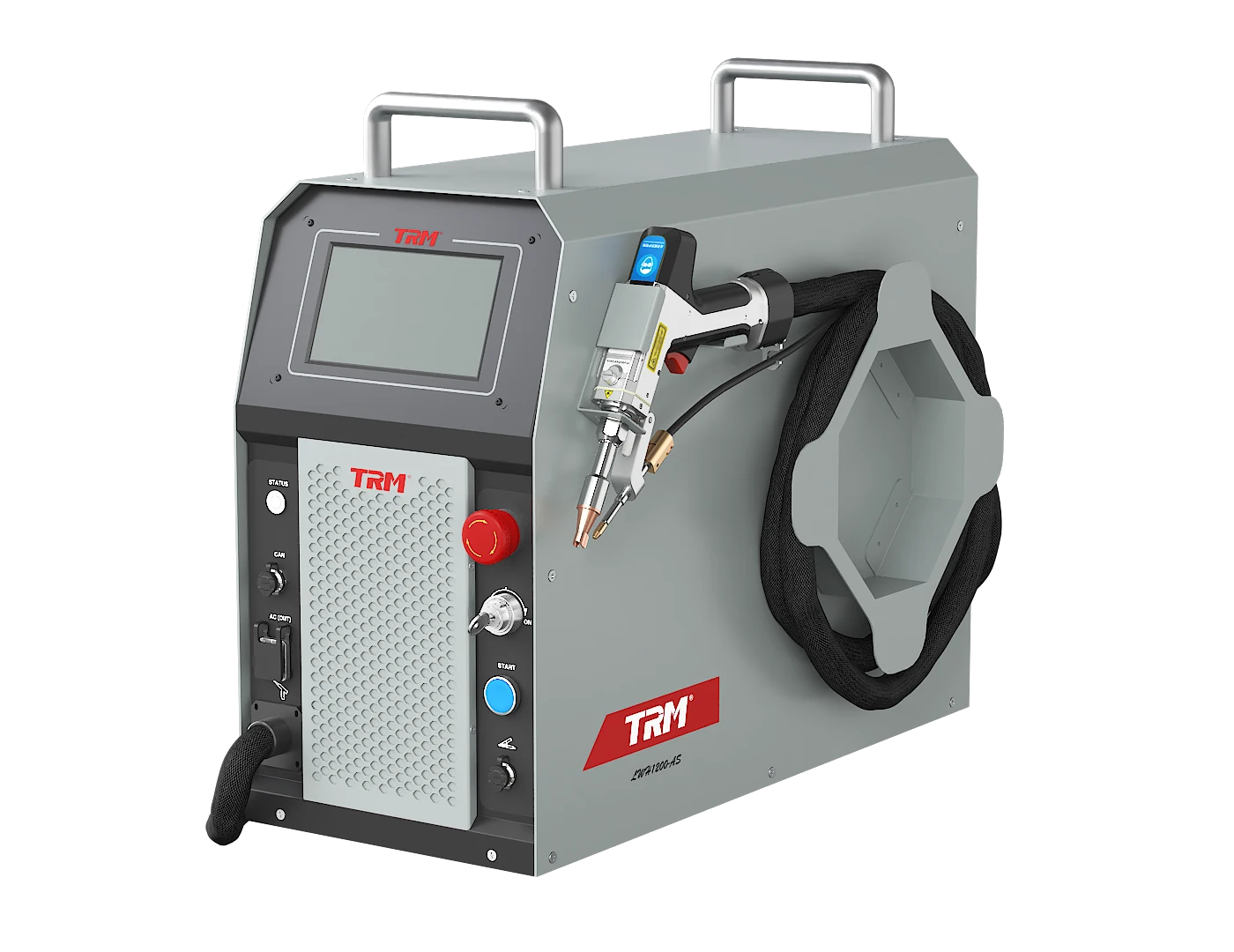
1200W · Air-cooled
LWH1200-AS
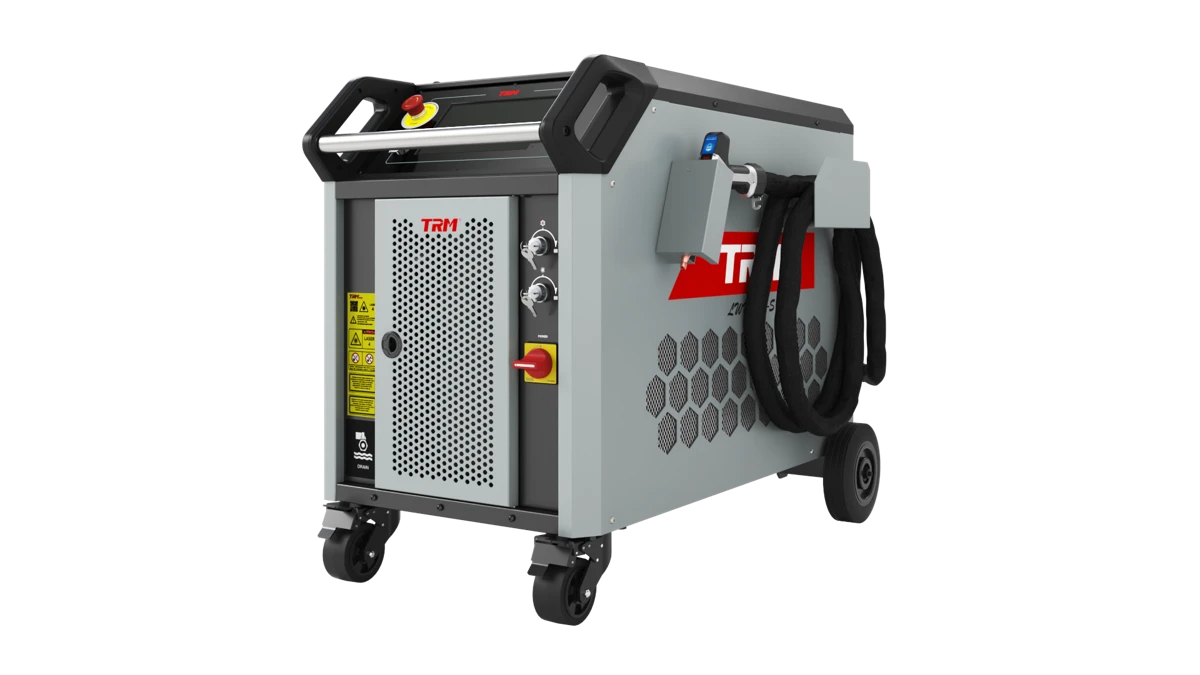
1500W · Water-cooled
LWH1500-S
2000W · Water-cooled
LWH2000-S
3000W · Water-cooled
LWH3000-S
Not sure which system you need?
Help Me ChooseLaser Welding FAQs
What metals can you laser weld?
Stainless steel, carbon steel and aluminum are everyday work for a laser welder, and it handles brass and copper too. The manufacturer rates the LWH1200-AS at 4 mm single-side penetration in stainless, carbon steel and aluminum, 3.5 mm in brass and 1 mm in copper, with anti-reflective technology for stable welds on reflective metals.
Does laser welding always need filler wire?
No. Many joints weld clean with no filler: with tight fit-up, the laser fuses the base metal itself. Add wire to bridge gaps, build up the joint or when the alloy calls for it.
How thick can a laser welder weld?
Up to 8 mm, with the right model.
Are laser welds strong?
Yes. Laser welding is trusted in some of the world’s most demanding applications, including aerospace. With the right setup, it delivers strong, reliable welds you can count on.
Can laser welding replace TIG or MIG?
Yes, for a large share of sheet and thin-plate work. Miller Electric puts laser travel speed at 5 to 10 times TIG and 3 to 5 times MIG in suitable applications, with less distortion and less grinding. Move repeat, well-fitted jobs to the laser, and keep TIG or MIG for heavy sections and wide gaps.
What does a shop need for laser welding?
Plan for the electrical supply your model calls for, argon or nitrogen shielding gas, fume extraction and a controlled laser work area with barriers, laser-rated eyewear and trained operators. Handheld laser welders are typically Class 4 lasers, and ANSI Z136.1 calls for a designated laser safety officer, so appoint one before the first weld.
Find the right welder
for your shop.
Give us a call or send the form, and a Nuwave Laser team member will be in touch shortly.
(210) 987-5671